
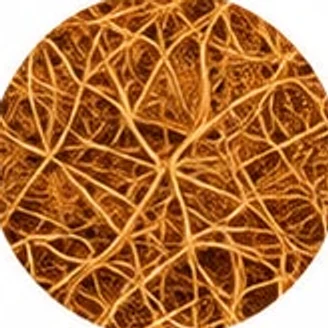
Coco fibre
Long, strand-like fibres from the coconut husk.
- Adds structure and helps hold the medium together
- Gives roots something to anchor into
Coco substrates are made from three parts of the coconut husk: fibre, chips and peat. How they are combined decides how much air, water and drainage your roots get, whatever the crop or growing system.
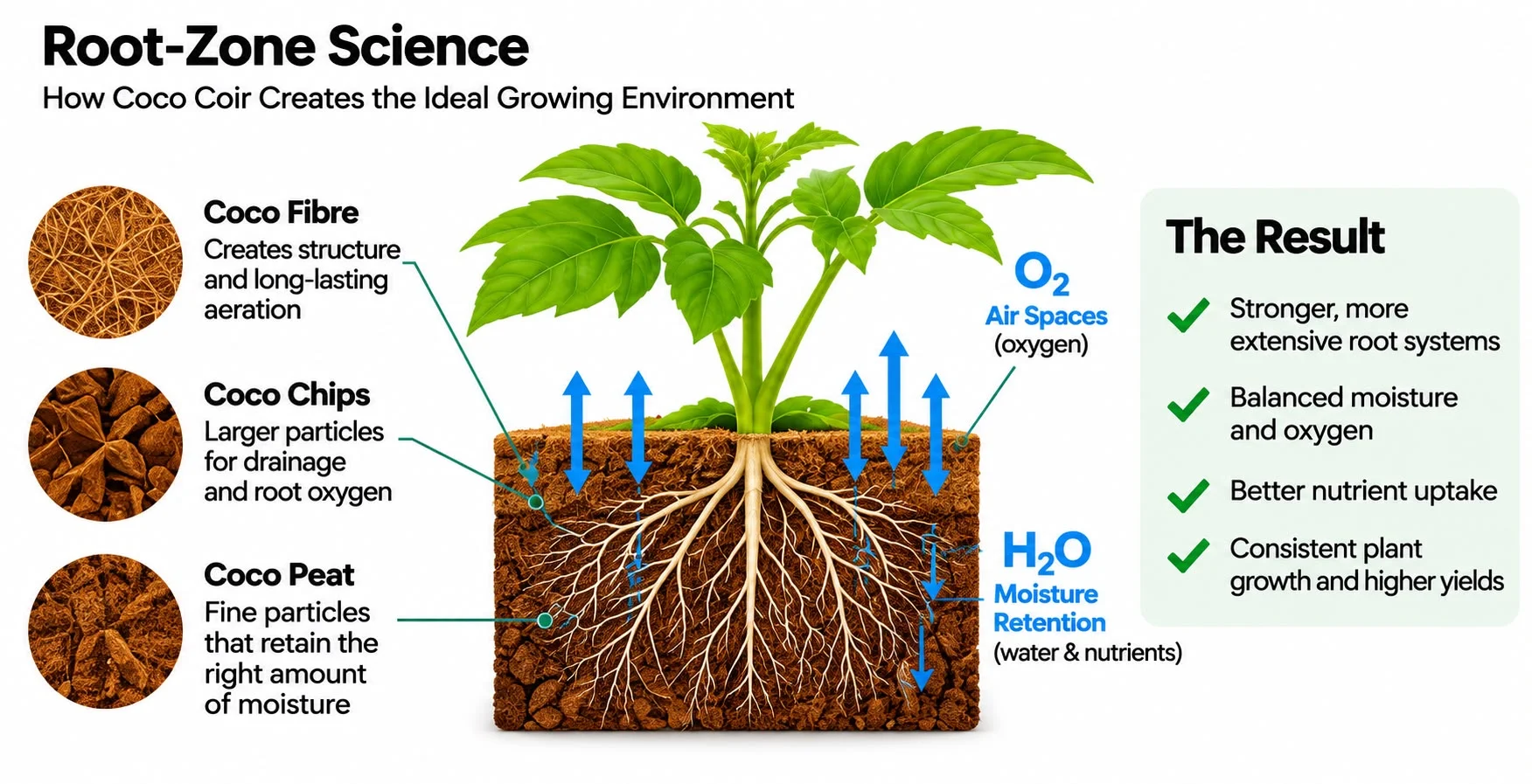
Each part of the husk behaves differently in the root zone. Substrates blend them in different proportions and particle sizes.
Long, strand-like fibres from the coconut husk.
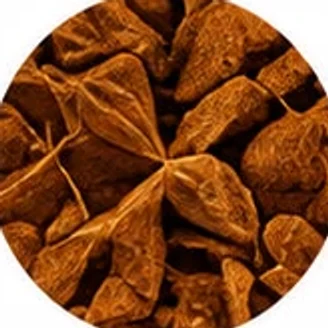
Chunks of coconut husk, cut to a defined size range.
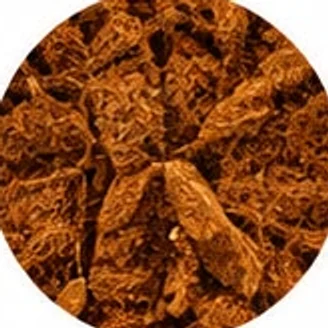
Fine, spongy particles left after the fibre is extracted.
Water fills the pores. Gravity drains the larger ones and air moves back in, while the small pores keep holding water. That cycle is the root zone at work.
The larger pores between chips and fibres empty as water drains and fill with air. Roots take up oxygen from these spaces. The share of the substrate’s volume that holds air after draining is called air-filled porosity (AFP).
Fine coco peat holds water in small pores against gravity. This is the water roots draw on between irrigations. How much a substrate holds is described as its water-holding capacity.
Water the substrate can’t hold drains down through the larger pores and out of the slab or container. This stops the root zone staying saturated and draws fresh air in behind it.
The same principles apply in a slab, a pot or a trough. Here, leafy greens grow in coco substrate on a vertical-farm rack.
Air spaces left after drainage deliver oxygen to the roots, including in stacked growing systems.
Holds moisture between irrigation cycles, so roots stay hydrated until the next irrigation.
Moves excess water away to prevent waterlogging and keep roots active.
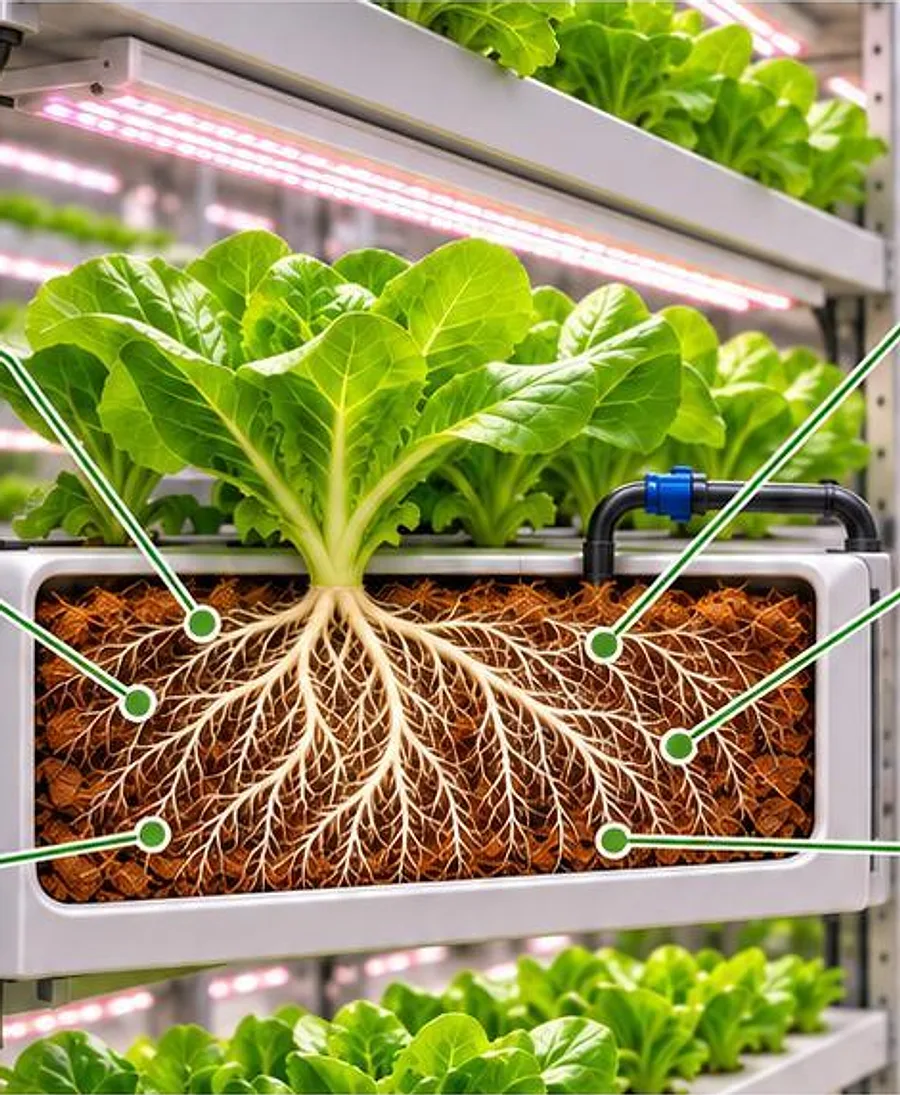
An open structure gives roots room to spread through the medium.
Coir can hold and release some nutrients, so the root zone responds more gradually to changes in feed. Whether a product is pre-buffered is confirmed per product — ask us.
A consistent moisture-to-air balance helps keep conditions uniform across the crop.
Coco substrate components can be used alone or blended to match the crop, growing system and irrigation strategy.
No single balance suits every crop. Growers choose a substrate, and steer it with irrigation, to suit their crop, system and climate.
Coarser material and a higher share of chips create more large pores, so more air and quicker drainage. Finer material and more peat create more small pores, so more water held between irrigations.
| Product | Composition | Husk chip size | Coco peat size |
|---|---|---|---|
| Marisse Precision+ | 70% coconut husk chips / 30% coco peat | 8–12 mm | 2–5 mm |
| Marisse ProBlend | 70% coconut husk chips / 30% coco peat | 8–12 mm | 2–5 mm |
| Marisse Eco-Natural | 70% coconut husk chips / 30% coco peat | 8–12 mm | 2–5 mm |
| Marisse Blueberry+ | 70% coconut husk chips / 30% coco peat | 8–12 mm | 2–5 mm |
| Marisse Gorilla Grow | 60% coconut husk chips / 40% coco peat | 8–12 mm | 2–5 mm |
| Marisse KweekBlok | 100% coco peat | — | 2–5 mm |
| GroeiCore Briquette | 100% coco peat | — | — |
Manufacturer data. Products with the same composition can still differ in washing and EC; see each product’s technical data.
Three things you will see on every technical sheet, and what they mean for your crop.
Coir naturally contains salts from the coconut. Washing with fresh water lowers them before the substrate reaches your crop. Unwashed material, such as Marisse Eco-Natural, has a high EC and is intended for operations that prepare and pre-wash it themselves.
EC (electrical conductivity) is a measure of dissolved salts. For substrates it is tested by mixing a sample with water at a fixed ratio, such as 1:1.5 or 1:5, and measuring the liquid. Results from different ratios are not directly comparable, so we always state the method.
pH describes how acidic or alkaline the substrate is. The coco products we publish technical data for are supplied at pH 5.5–6.5. Growers then manage root-zone pH and EC through their nutrient solution and by monitoring run-off.
Tell us what you grow and how you irrigate, and we will recommend a substrate with its technical data.